
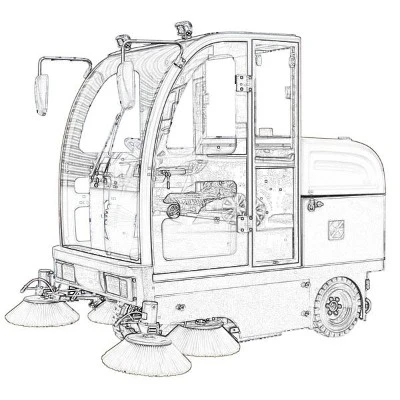
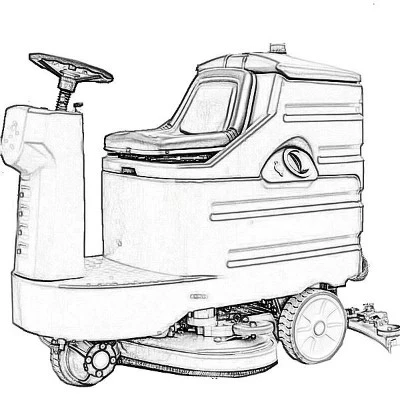
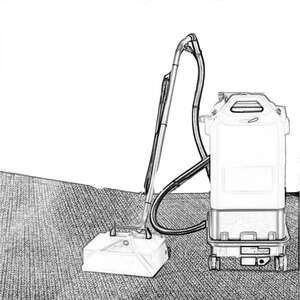
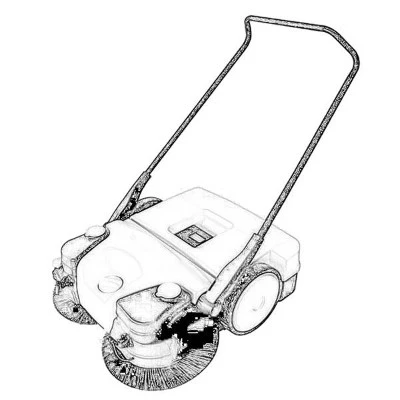
Almost everyone has cleaned floors at some point. Sweeping and vacuuming are often the first chores we ask our children to do. So it's easy to think that cleaning commercial floors is just "stretching out" these basic common sense. But the truth is, even experienced facility care professionals can easily make common mistakes. Here are six of the most common mistakes we see:
1. Not Cleaning Floors Daily
Not every space in your facility is used heavily every day-so maybe it doesn't need daily cleaning? Appearances can be deceiving, and just because the floor looks clean doesn't mean it's dust-free. Even after a day of minimal use, most floors will have a thin layer of microscopic dust. While you can't see it, this dust can still dull and wear out the carpet or flooring surface prematurely. Taking the time to perform basic floor cleaning-vacuuming carpets and dusting hard floors daily-can save you money in the long run.
2. Not Prepping Floors Before Scrubbing
Scrubbing may not be necessary every day, or it may be needed multiple times a day. It all depends on the usage patterns of your facility. But no matter how often you scrub, it's important to perform basic sweeping beforehand to remove microscopic dust as well as larger dirt and debris. This is especially important in climates with cold winters, when salt and sand are often brought indoors. Skipping pre-sweeping can lead to multiple problems: Scrubbing only spreads this dirt everywhere, rather than cleaning the floor. Certain types of debris can actually damage or accelerate the wear of the floor substrate. It can also accelerate the wear of automatic scrubbers, leading to additional repair costs and potential premature replacement.
3. Vacuuming Wet Floors
You should always vacuum your floors, but if your carpet is damp, be patient. Industrial vacuums are powerful and can easily suck up moisture and dirt. Unfortunately, moisture can easily damage the vacuum motor, leading to expensive repairs or replacements. The powerful suction means that industrial vacuums can suck a lot of moisture out of a slightly damp carpet. If you frequently deal with damp carpet in your facility (such as during the winter when snow and ice are often brought in), consider using a wet-dry vacuum or carpet cleaner.
4. Using the Wrong Chemical Products
There are many types of flooring, and there are many types of cleaning chemicals, each specifically designed for wood, carpet, tile, vinyl, and more. By mistakenly using the wrong cleaning chemical, or trying to use a single chemical on all surfaces, it's easy to damage floors, remove finishes, eat away at tile, corrode sealers, break down grout, and more. Part of the problem here is that it's easy to confuse floor types. Make sure you know exactly what types of flooring you have in your environment, and then make sure you're using the correct, compatible chemical for each.
5. Using Too Many Chemicals
When it comes to cleaning chemicals, it's easy to think "more is better." But it's also easy to accidentally or unintentionally use too much-especially if your staff uses the "bulk" method, pouring chemicals straight from the bottle without measuring. The truth is, when it comes to floors, too much is usually too much. Using too much cleaning chemical when scrubbing leaves excess chemical residue behind, which ultimately creates a fuzzy, sticky buildup that actually attracts more dirt and is harder to remove. On top of that, using too much chemical is just a waste of money from a budget perspective.
6. Failing to Train Staff
Often, the root cause of any of the above mistakes comes down to not taking the time to fully train all cleaning staff. Make sure to provide dedicated onboarding training for all new staff members-and take the time to retrain staff members periodically so they remember the protocols. Any time your floor cleaning program changes-new flooring, new equipment, new products, etc.-you should train staff specifically for the change. Most importantly, focus on the when, what, how, and why:
- When: How often staff should sweep, vacuum, and mop each space within the facility.
- What: Which products and equipment staff should use to clean each type of floor.
- How: Detailed protocols for cleaning floors in each space within the facility, including safety signs, pre-sweeping, letting floors dry, etc.
- Why: Make sure staff have a basic understanding of the "why" behind protocols and best practices, so they understand that cutting corners or not following protocols can result in poor cleaning results, wasted costs, and increased safety risks.
Clean floors are the foundation for your facility to thrive. They help you lay the foundation for a safer, healthier indoor environment. Excellent floor care is one of the simplest things you can do to enhance your brand and improve the experience for guests and employees. But familiar floor cleaning can also lead to common mistakes. Make sure you don't make any of these common mistakes so you can ensure your floor care routine consistently delivers the shiny, safe results you want.