
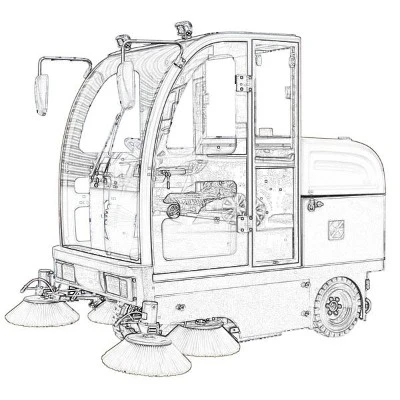
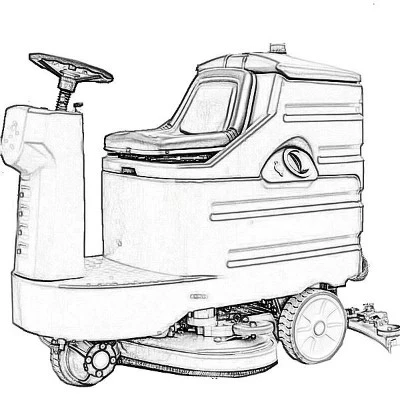
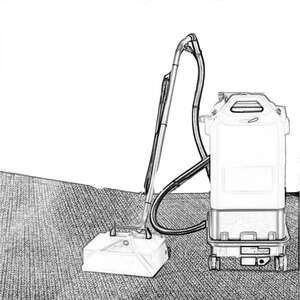
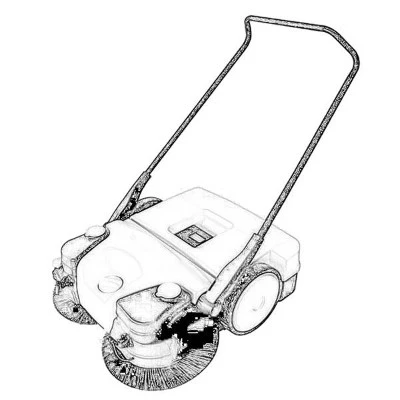
Cleanliness is important for health, safety and your reputation. As people become more aware of the role cleaning plays in health, companies have taken significant steps to improve sanitation protocols. Having a clean place to work, shop, eat and do business is important – there's no industry that doesn't value this.
This push has led many companies to look for other ways to provide the deep cleaning needed. Mops and buckets simply weren't enough. The requirements have increased, the necessities have increased, and the definition of "clean" has changed.
When you're looking for floor cleaning equipment to meet your facility's needs, you have many options to choose from. Do you need a walk-behind machine or a ride-on machine? Do you need a floor scrubber or sweeper? What specific features does your facility need?
We've taken some of the confusion out of the buying process with these helpful buying tips for scrubbers and sweepers. This will help you make the right choice for your facility and employees.
Do you need a walk-behind or ride-on machine?
When you look at walk-behind floor scrubbers vs. ride-on floor scrubbers, there may not be much difference at first glance. Too often, a large portion of many facilities' cleaning budgets is spent on labor. In larger areas, a ride-on machine will be superior as it will not only reduce the time needed to clean the area, it will also reduce your labor costs.
Walk-behind floor cleaning equipment is generally best suited for cleaning smaller areas or facilities, especially those that may be difficult to maneuver using bulky equipment. The price is also lower than the rides, but that shouldn't be the first (and definitely not the only) reason to buy.
Using a cart over a larger area will shorten the life of the equipment, and you won't see the long-term effects of labor savings. Walk-behinds also require a certain amount of physical exertion, which can also be difficult to maintain on larger cleaning surfaces. Ride-on machines are faster and therefore better suited for larger areas.
Take the time to assess the area you want to clean and note any special needs you may have about how best to clean the space.
Choose the right machine for the job
There are many factors that should be considered when choosing the right machine for the job. You may have other needs in addition to those listed here that will strongly influence your purchasing decision, but the needs we have listed here are the areas that most people use to guide their choice of floor cleaning machines.
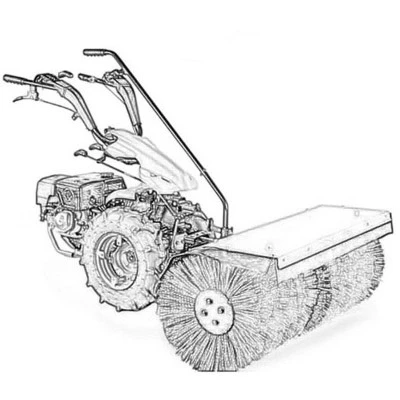
- Sweep or wipe? This is the first thing you need to consider when buying a vacuum cleaner. Look at what is being cleaned. If you are dealing with light, large debris or heavy or wet debris, a sweeper may be the best option. Fine dust or dirt such as foot traffic, floor marks, or grease may be best treated with a scrubber.
- The size of the space to be cleaned. Look at the total square footage of the area to be cleaned. It may be more cost-effective and efficient to use a ride-on machine to clean larger areas, while it may be better to use a walk-behind machine to clean smaller areas.
- Cleaning path size. Assess critical areas such as the width of the narrowest aisles, whether any aisles are dead ends (meaning the machine must turn around), and the narrowest areas (such as doorways) that the machine needs to pass through for cleaning or cleaning for dumping.
- Type of floor surface. For scrubbers and sweepers, you can choose the type of brush you want to use. This means you have to consider the floor surface and the soil you want to remove. Do you mostly deal with finer dust? Then you'll need a nylon or polyester brush. Heavier soil or debris may require a wire-reinforced broom. Squeegee blades made from at least 95% pure natural rubber can handle a variety of soils and are suitable for rough and uneven floors, while raw rubber squeegees are better suited for smooth finished surfaces.
- Labor rates and machine costs. Most facilities experience a quick return on investment based on the labor savings typically achieved through the use of mechanized cleaning equipment. This is a great reference point to help you determine which machine is best for your facility and fit it into your cleaning budget.
- maintain. Any equipment requires maintenance to keep it operating efficiently. However, this should be factored into the purchasing decision. It is best to assign the maintenance and upkeep of your equipment to one person or a service team to ensure it is kept in top condition and any issues are quickly identified so they can be dealt with quickly.
Finding the right machine for the job is important. You want something that meets your needs while still allowing you to stay within your budget. Hopefully these tips will help you find the right floor cleaner for your facility.