
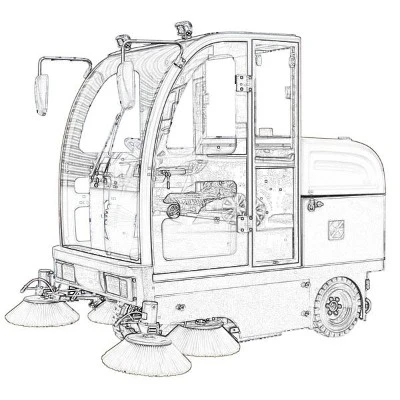
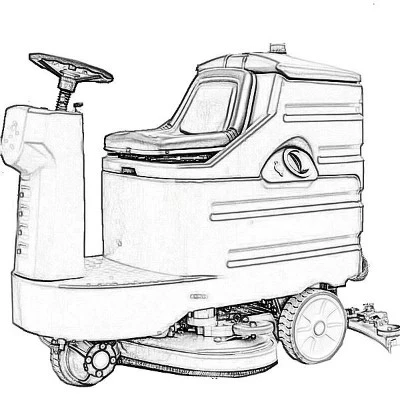
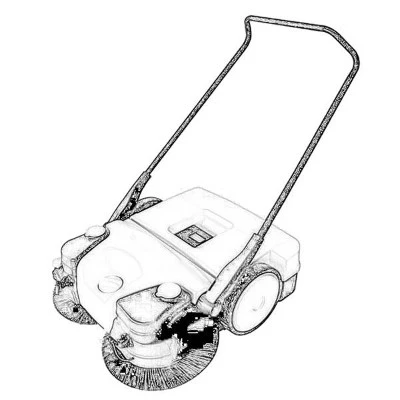
Automatic floor scrubbers make cleaning floors in your facility incredibly easy and efficient. They clean much faster than a mop and bucket. Additionally, new walk-behind and ride-on scrubbers are easier and more efficient to use than automatic scrubbers from a decade ago, and the new generation of robotic scrubbers takes this efficiency to a whole new level. But that doesn't mean cleaning your floors requires no work. One of the biggest keys to maximizing the efficiency and performance of your floor cleaning program is ensuring you prepare your floors properly for scrubbing.
Before using an automatic floor scrubber, follow these five simple best practices:
1. Remove the mat
Mats are a great way to keep your floors clean and reduce dust, dirt, and debris. Before using an automatic floor scrubber to clean your floors, be sure to roll up and remove all mats.
Why it matters: Most automatic floor scrubbers are designed to treat hard floor substrates, not carpet mats or even rubber mats. This means that automatic floor scrubbers won't remove dirt from the mats; the mats can be easily removed and washed (that's the point!). Automatic scrubbers can also get caught on the edge of the mat, potentially damaging the mat or the machine.
2. Sweep the floor in advance
You may be tempted to pick up large debris before scrubbing, but the best practice is always to pre-sweep to remove all dirt and dust in the cleaning path. Even if the visible dirt is not obvious, a layer of dust will accumulate on most floors within a few hours.
Why it matters: Automatic scrubbers offer powerful cleaning power, but they also protect and enhance your floor's finish. Scrubbing dirty, dusty floors can cause many unnecessary problems. Scrubbers can turn large amounts of dirt into sludge and spread it across the floor, ultimately requiring multiple passes to clean the floor. Pebbles, rocks, and other debris can be dragged around and can be ground into the floor, damaging the finish. Dirt and debris can also cause additional or accelerated wear on brushes, pad drives, and other cleaning machine components.
3. Scrape off the sticky substance
A little addition to #2: Before using your automatic floor scrubber, make sure you take the time to notice and scrape off any sticky material, such as chewing gum or dry food.
Why it matters: Likewise, modern automatic floor scrubbers offer powerful cleaning capabilities, but they are not designed to remove anything from the floor. At best, the sticky residue may just stubbornly resist scrubbing and remain on the floor. But sticky residue can also be spread around by the scrubber, or it can cause the squeegee to leave streaks.
4. Remove obstacles
Move any obstructions, such as rolling racks or display racks, out of the cleaning path. If possible, move furniture, too.
Why it matters: You want to make sure you clean the entire floor space-don't leave dust and dirt around the edges of large or awkward obstructions. You also want to maximize the efficiency of cleaning your path without having to navigate a complicated route filled with obstacles.
5. Post warning/caution signs
Safety always comes first: Don't forget to prominently post warning/caution/wet floor signs to ensure employees, customers, and other facility visitors know floor cleaning is taking place. Make sure signs are placed in a prominent location, such as at the entrance to the area where floor cleaning is taking place.
Why it matters: Slip and fall accidents are the number one cause of injuries in the workplace, so you need to take extra care to make sure people realize the floor may be wet as soon as they are scrubbed.
Preparation pays off
As with most things in work and life, spending a little extra time preparing on the front end can pay huge dividends on the back end. Following these five simple best practices to prepare your floors before using an automatic floor scrubber can help you protect your floors and keep them looking shiny longer, while also protecting your investment in cleaning equipment. But just as important, doing a little work ahead of time can make your cleaning and labor more efficient-allowing you to consistently get the clean, shiny floors you want in the shortest amount of time.